
2026 Wedding Trends: Predictions for the Year Ahead
Not ready to talk yet?
Map out your date, budget, and day-of timeline
Built by the photographer who'll actually be there — no pressure, no sales call.
Explore the Planning Tools →Every January, the wedding industry publishes its trend predictions. Every January, most of them say roughly the same things.
This isn’t that.
I’m a Certified Professional Photographer based in Metro East St. Louis with 25 years of wedding experience. I’ve watched trends come and go. I’ve watched couples chase trends and regret it. I’ve watched couples ignore trends entirely and end up with exactly the wedding they wanted.
What I’m seeing in 2026 isn’t really about aesthetics. It’s about priorities. Couples are getting clearer about what they actually want from their wedding day — and a lot of what they want, they’ve always wanted. The industry is just finally catching up.
Here’s what’s actually changing, and what it means for your photography.
1. Sustainable Weddings
The move toward sustainability in weddings isn’t new, but in 2026 it’s stopped being a niche preference and started being a baseline expectation for a lot of couples.
Eco-friendly decor, locally sourced catering, carbon-neutral transportation, zero-waste strategies — these aren’t just feel-good additions anymore. For many couples they’re non-negotiable, and vendors who can’t accommodate them are getting left off the list.
From a photography standpoint, sustainable weddings tend to be more visually interesting anyway. Locally sourced florals have character that mass-produced arrangements don’t. Outdoor ceremonies in natural settings photograph beautifully. The intimacy of a thoughtfully curated event comes through in the images in ways that a by-the-numbers ballroom wedding often doesn’t.
If sustainability is important to you, it’s worth asking your photographer how they work. I shoot lean — one photographer, no unnecessary equipment, no team of assistants generating waste. The work speaks for itself.
2. Technology That Actually Serves the Couple
Technology integration in weddings gets a lot of hype. Live streaming. Digital invitations. Wedding apps. Most of it is fine. Some of it is genuinely useful.
The one piece of technology I’d tell every couple to ask their photographer about is same-night image delivery.
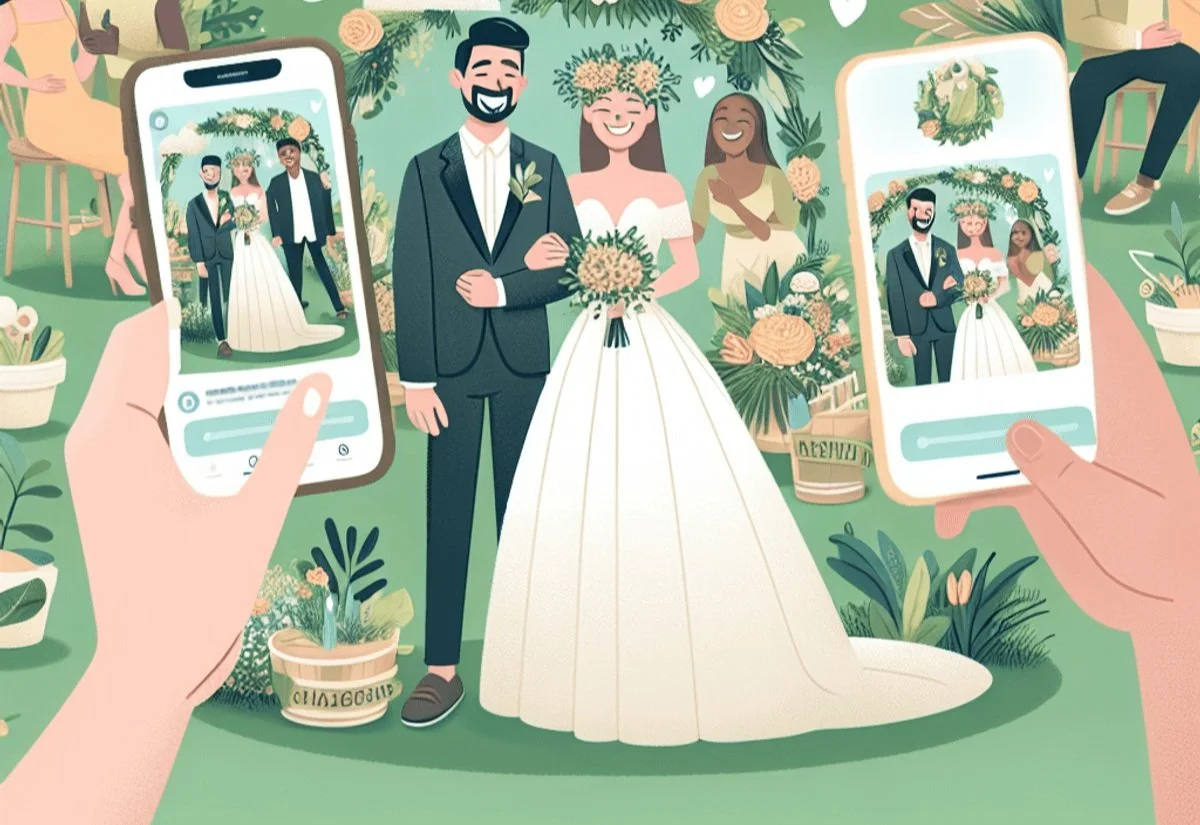
FlashPhotos — the real-time guest sharing experience I provide through every wedding commission — means your guests are seeing images from your reception the same night it happens. Not weeks later. Not when the highlight reel finally drops. That night, while the dancing is still happening and the cake is still on the table.
Your finished gallery follows within days, not weeks. Because the people you love don’t want to wait to relive it either.
That’s the technology integration that actually matters on your wedding day.
3. Micro-Weddings and Intimate Celebrations
Micro-weddings — typically 10 to 50 guests — have been trending for several years now, and they’re not going away. If anything, couples who went small and stayed small are among the most satisfied clients I work with.
The math is straightforward: fewer guests means more resources per person, more intentional details, more time with the people who actually matter, and more flexibility in venue choice.
From a photography standpoint, micro-weddings are often easier to document well. Smaller gatherings create more genuine moments. There’s less chaos, more connection, and the images tend to reflect that directly.
Elopements take this even further — just the two of you, somewhere that means something, without the production. If that sounds like relief rather than disappointment, it might be worth a conversation.
4. Venues That Tell Your Story
The trend away from traditional banquet halls and toward venues that actually mean something to the couple shows no sign of slowing down.
Art galleries, vineyards, historic buildings, state parks, family farms, rooftops, restaurants, backyards — couples in 2026 are choosing spaces that reflect who they are rather than spaces that exist to host weddings.
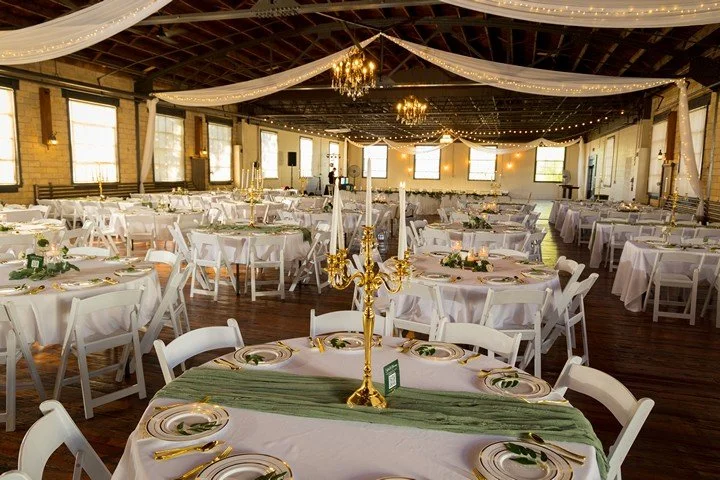
This matters for photography more than most couples realize. A venue with character gives me something to work with. Natural light, architectural detail, meaningful landscape — these elements elevate images in ways that no amount of technical skill can compensate for in a windowless ballroom.
When you’re choosing your venue, think about light. Think about what the space says about you. And if you’re torn between two options, I’m always happy to talk through how each one photographs.
5. Food as Experience
Interactive food stations, live cooking demonstrations, themed catering that reflects the couple’s background or personality — the shift away from plated dinners toward immersive food experiences is real and it’s continuing.
Taco bars, sushi stations, dessert tables, charcuterie spreads, family-style service — whatever form it takes, the goal is the same: give guests something to do together, something to talk about, something that feels like a party rather than a banquet.
I’ll note the obvious: food stations also photograph well. The energy around interactive dining is genuine and candid in a way that posed dinner service rarely is.
6. Bridal Style That Breaks the Rules
The days of every bride in white are genuinely over for a significant portion of couples getting married in 2026. Bold colors, sustainable fabrics, mix-and-match ensembles, vintage-inspired silhouettes, non-traditional accessories — bridal fashion is as diverse as the couples wearing it.
What this means for your photography: wear what actually feels like you. The images that hold up over decades are the ones where you look like yourself at your best — not like you dressed for someone else’s idea of a wedding. Your photographer should be able to work with whatever you choose.
The Timeless Framework I use is built around exactly that — images that outlast the trends that produced them. Bold color choices, unconventional silhouettes, non-traditional details — these don’t date a photograph. Chasing whatever was fashionable in a specific year does.
7. Wedding Photography That Prioritizes the Real Moments
The biggest photography trend I’m seeing in 2026 isn’t a technique or a style. It’s a shift in what couples actually want from their images.
Fewer posed portraits. More real moments. Less performance, more presence.
Candid storytelling over staged setups. Drone coverage for venues that earn it. An aesthetic that will still feel right in twenty years rather than screaming the year it was taken.
That’s always been the work I do. The MDKauffmann Photography commission is built around milestone-first coverage — your day documented the way it actually happened, not the way it was staged to look. Calm guidance throughout. CPP-level technical craft. Finished artwork you’ll actually live with.
Investment starts at $3,500. Most couples invest around $6,500 for their complete commission: coverage, signature enhancement, and finished heirloom artwork.
Every commission includes FlashPhotos — same-night social images delivered while your reception is still happening.
Today an event. Tomorrow a memory. Forever an heirloom.
READABLE FAQ
What are the biggest wedding trends for 2026? The most significant shifts in 2026 are toward sustainability, intimate guest lists, non-traditional venues, interactive food experiences, and wedding photography that prioritizes real moments over posed portraits. The through-line is personalization — couples want celebrations that actually reflect who they are.
Are micro-weddings still popular in 2026? Yes, and they’re not going anywhere. Couples who’ve chosen intimate celebrations — typically 10 to 50 guests — consistently report higher satisfaction than those who felt pressured into larger events. Elopements are also increasing, particularly among couples who want the day to be about them rather than the production.
What should I look for in a St. Louis wedding photographer in 2026? Experience, a consistent portfolio, and a working style that fits your day. Ask specifically about turnaround time on your finished gallery, whether same-night social image delivery is available, and how they handle low-light or challenging venue conditions. A Certified Professional Photographer designation means technical competency has been independently verified — not just self-reported.
What is FlashPhotos and how does it work? FlashPhotos is a real-time guest sharing experience included in every MDKauffmann Photography wedding commission. Social images are delivered the same night as your reception — while your guests are still celebrating — so the people you love don’t have to wait weeks to relive your day. Your finished gallery follows within days.
How much does wedding photography cost in St. Louis in 2026? Investment at MDKauffmann Photography starts at $3,500. Most couples invest around $6,500 for their complete commission, which includes coverage, signature enhancement, and finished heirloom artwork. Every commission includes FlashPhotos same-night delivery. Full pricing is available at mdkauffmann.com/pricing/.
Does the venue I choose affect my wedding photos? Significantly. Natural light, architectural character, and meaningful landscape all contribute to stronger images in ways that technical skill alone can’t compensate for. When choosing between venues, consider the light quality at your ceremony time, what the space says about you as a couple, and whether there are outdoor options for portraits.
{ “@context”: “https://schema.org”, “@type”: “FAQPage”, “mainEntity”: [ { “@type”: “Question”, “name”: “What are the biggest wedding trends for 2026?”, “acceptedAnswer”: { “@type”: “Answer”, “text”: “The most significant shifts in 2026 are toward sustainability, intimate guest lists, non-traditional venues, interactive food experiences, and wedding photography that prioritizes real moments over posed portraits. The through-line is personalization — couples want celebrations that actually reflect who they are.” } }, { “@type”: “Question”, “name”: “Are micro-weddings still popular in 2026?”, “acceptedAnswer”: { “@type”: “Answer”, “text”: “Yes, and they’re not going anywhere. Couples who’ve chosen intimate celebrations — typically 10 to 50 guests — consistently report higher satisfaction than those who felt pressured into larger events. Elopements are also increasing, particularly among couples who want the day to be about them rather than the production.” } }, { “@type”: “Question”, “name”: “What should I look for in a St. Louis wedding photographer in 2026?”, “acceptedAnswer”: { “@type”: “Answer”, “text”: “Experience, a consistent portfolio, and a working style that fits your day. Ask specifically about turnaround time on your finished gallery, whether same-night social image delivery is available, and how they handle low-light or challenging venue conditions. A Certified Professional Photographer designation means technical competency has been independently verified.” } }, { “@type”: “Question”, “name”: “What is FlashPhotos and how does it work?”, “acceptedAnswer”: { “@type”: “Answer”, “text”: “FlashPhotos is a real-time guest sharing experience included in every MDKauffmann Photography wedding commission. Social images are delivered the same night as your reception — while your guests are still celebrating — so the people you love don’t have to wait weeks to relive your day. Your finished gallery follows within days.” } }, { “@type”: “Question”, “name”: “How much does wedding photography cost in St. Louis in 2026?”, “acceptedAnswer”: { “@type”: “Answer”, “text”: “Investment at MDKauffmann Photography starts at $3,500. Most couples invest around $6,500 for their complete commission, which includes coverage, signature enhancement, and finished heirloom artwork. Every commission includes FlashPhotos same-night delivery.” } }, { “@type”: “Question”, “name”: “Does the venue I choose affect my wedding photos?”, “acceptedAnswer”: { “@type”: “Answer”, “text”: “Significantly. Natural light, architectural character, and meaningful landscape all contribute to stronger images in ways that technical skill alone can’t compensate for. When choosing between venues, consider the light quality at your ceremony time, what the space says about you as a couple, and whether there are outdoor options for portraits.” } } ] }
Still thinking? That's what the consultation is for.
Every MDKauffmann commission starts with a conversation — not a sales pitch. We talk about your day, your priorities, and what "forever" looks like for your family. If we're the right fit, you'll know. If we're not, I'll tell you honestly.
Start the Conversation →Dates book fast — especially May through October.