
How to Choose a St. Louis Wedding Venue
Not ready to talk yet?
Map out your date, budget, and day-of timeline
Built by the photographer who'll actually be there — no pressure, no sales call.
Explore the Planning Tools →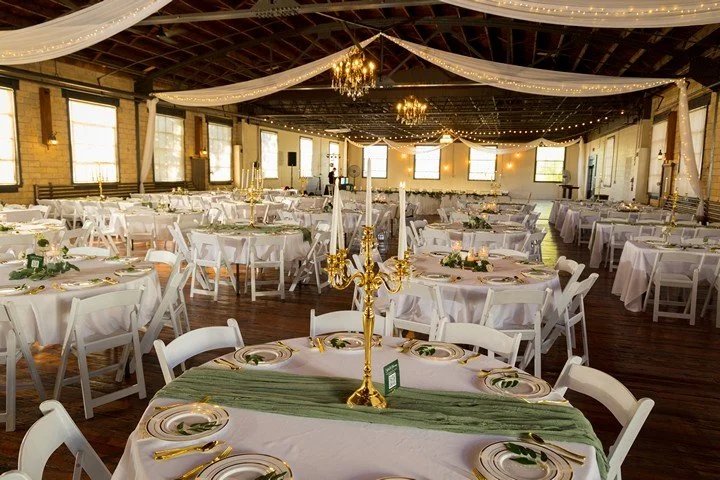
The Olde Wicks Factory is one of my favorite venues to photograph. I’ll tell you why in a minute — but first, let me tell you what I’ve learned from shooting weddings across Highland, Belleville, O’Fallon, and the wider Metro East area about how to actually choose one.
Because the process couples usually follow — scrolling Instagram, falling in love with a look, then reverse-engineering everything else around it — tends to cause a lot of unnecessary stress. There’s a better order.
Start with what you actually want the day to feel like
Before you set foot in a single venue, sit down together and talk about the feeling you’re after. Not the aesthetic. The feeling.
Do you want 200 people dancing until midnight, or thirty people who actually know you sharing a meal? Do you want stone and history and candlelight, or clean lines and open air? Those two couples need completely different spaces — and no amount of beautiful florals will make a barn feel like a ballroom or vice versa.
Write down three words you want guests to use when they describe your wedding. Then go find the room that earns those words.
Figure out your real numbers early
Guest count and budget aren’t things to nail down later. They’re the filter that makes every other decision manageable.
If you’re inviting 250 people and your venue maxes out at 150, nothing else about it matters. If the rental fee alone exhausts half your budget before you’ve fed anyone, that’s a problem that doesn’t get better.
Know your approximate headcount and your total venue budget — including catering — before you start touring. You’ll save yourself a lot of heartbreak over spaces you were never realistically going to book.
Think about your guests, not just yourselves
Where is most of your guest list coming from? If half of them are driving from St. Louis and the other half are coming from out of town, a venue that’s hard to find or far from lodging creates friction before the celebration even starts.
This matters more than couples usually anticipate until they’re coordinating logistics at 11pm the night before.
Walk the venue and pay attention to what the photographer in you notices
You don’t have to be a photographer to do this. When you walk into a space, look up. Look at where the light comes from. Notice whether it feels cramped or open, whether the layout flows or creates bottlenecks, whether there are corners and hallways and unexpected pockets that give the day room to breathe.
The best moments of your wedding aren’t going to happen in the spot the venue manager shows you first. They’re going to happen in the in-between spaces — the staircase, the hallway, the quiet room where you see each other before the ceremony. A venue with character has those places. A venue that’s just a box with good chairs often doesn’t.
Ask the right questions before you sign anything
Catering policies, vendor restrictions, load-in and load-out times, noise ordinances, parking, getting-ready spaces — these are the details that either support your vision or quietly work against it. Get them in writing.
And ask the staff how many weddings they’ve hosted. Then ask them to tell you about one. The venues worth booking will answer that second question with specifics.
One venue worth your tour time
I want to be careful here — I’m not in the business of sending couples to venues I haven’t personally worked in. But there’s one in Highland, Illinois that I recommend without reservation: The Olde Wicks Factory.
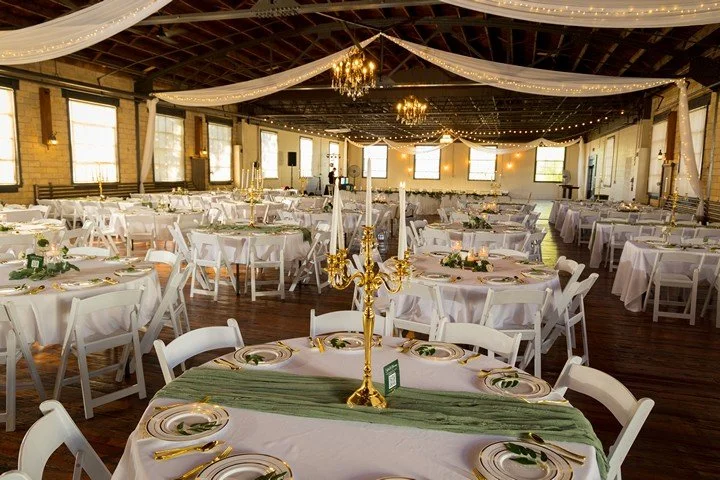
It’s a century-old pipe organ company building that Jennifer Ostrander and her family have transformed into one of the most distinctive event spaces in the region. It has five distinct spaces ranging from intimate (the Stained Glass Hall at 150) to grand (the Main Hall at 500), and every one of them photographs beautifully.
More importantly, the staff remembers their weddings. When I’m talking with them between events, they reference couples by name and tell you details. That’s not something you can train into people.
If the venue you’re considering can’t do that — if the coordinator treats your wedding like a transaction — keep looking.
Frequently Asked Questions
What should I consider first when choosing a wedding venue?
Start with how you want the day to feel, not how it looks on Instagram. Decide whether you want an intimate gathering or a large celebration, and choose a space that evokes the feeling you’re after before worrying about aesthetics.
How do guest count and budget affect venue selection?
They’re the filter that makes every other decision manageable. Know your approximate headcount and total venue budget — including catering — before you start touring. A venue that doesn’t fit your numbers realistically is off the list regardless of how beautiful it is.
What should I look for when touring a wedding venue?
Look for the in-between spaces — staircases, hallways, quiet rooms — where the real moments happen. Notice where the light comes from, how the layout flows, and whether the staff can tell you specific stories about weddings they’ve hosted. That last one matters more than most couples realize.
What questions should I ask a wedding venue before signing?
Ask about catering policies, vendor restrictions, load-in and load-out times, noise ordinances, parking, and getting-ready spaces. Then ask the staff to tell you about a specific wedding they’ve hosted. The venues worth booking will answer that second question with real details.
What makes The Olde Wicks Factory a good wedding venue choice in Metro East, Illinois?
The Olde Wicks Factory in Highland, IL is a restored century-old pipe organ company building with five distinct event spaces ranging from 150 to 500 guests. The combination of genuine architectural character, versatile spaces, and staff who remember their couples by name.
Still thinking? That's what the consultation is for.
Every MDKauffmann commission starts with a conversation — not a sales pitch. We talk about your day, your priorities, and what "forever" looks like for your family. If we're the right fit, you'll know. If we're not, I'll tell you honestly.
Start the Conversation →Dates book fast — especially May through October.