How to Keep a Small Ballroom From Feeling “Crowded”
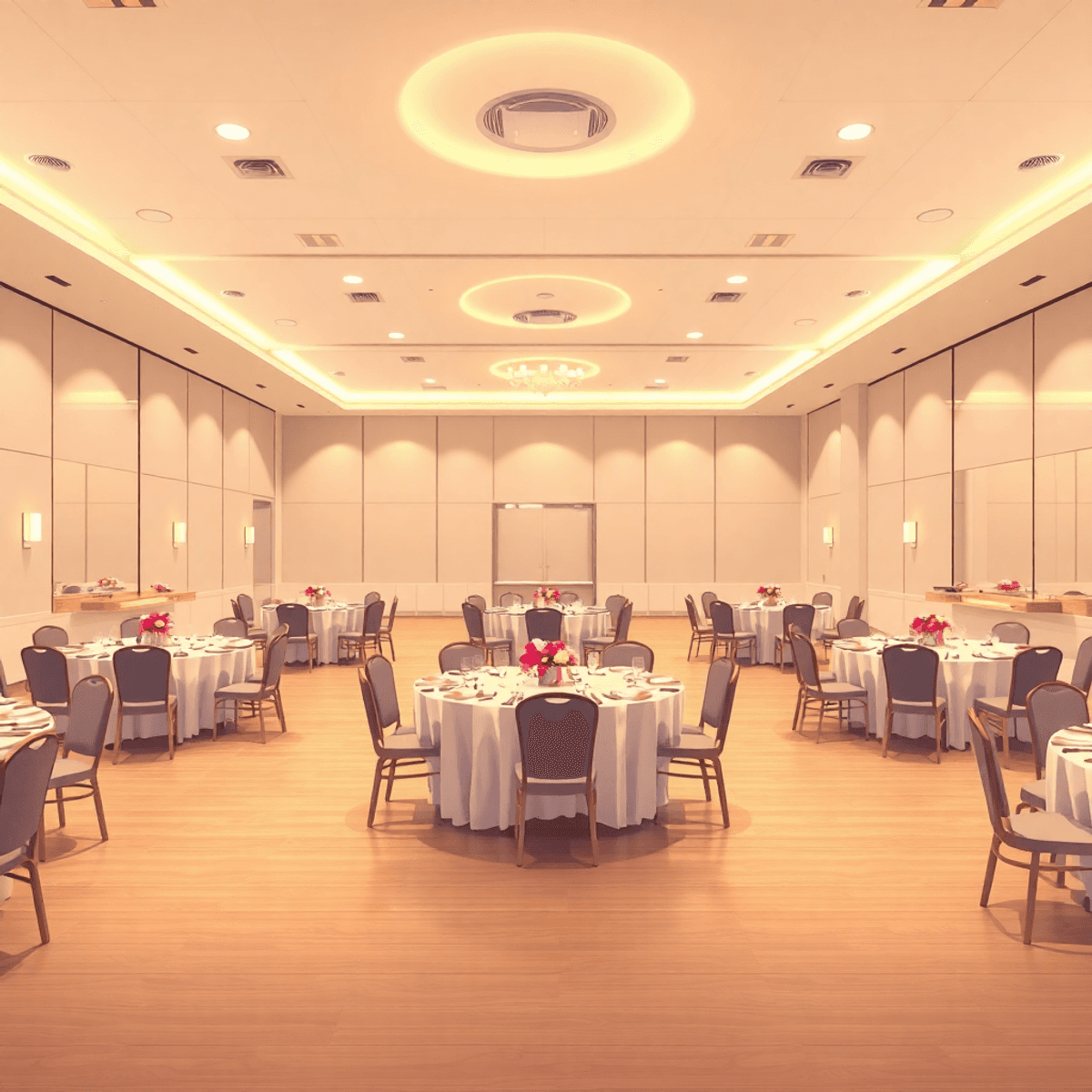
A small ballroom transformed by deliberate lighting, scaled furniture, and open sightlines into a reception space that feels curated and intimate rather than constrained — proof that square footage is only one part of the equation.
Hosting events in a small ballroom presents a unique challenge: how to prevent the space from feeling cramped or overwhelmingly crowded. Many event planners and hosts struggle with managing the crowded feeling that naturally arises when too many guests share limited square footage. This challenge goes beyond simple headcount limits—it's about how the environment makes guests feel.
Creating a comfortable and inviting atmosphere is essential. When guests feel restricted by tight quarters, their enjoyment diminishes. A well-optimized event space encourages mingling, movement, and relaxation without the stress of bumping into furniture or other attendees.
Event space optimization is key to transforming what might seem like a limiting factor—the size of your ballroom—into an asset. Thoughtful planning and intentional design choices can open up the room visually and functionally. With smart strategies, you can maintain intimacy without sacrificing spaciousness, turning your small ballroom into a welcoming venue where every guest feels at ease.
In addition to spatial considerations, it's important to remember the power of personal interactions during these events. Simple gestures of kindness can significantly enhance the overall experience for your guests. These small acts can create a warm and inviting atmosphere that complements the physical space, making it feel less confined and more welcoming. Such kind gestures can leave a lasting impression on your guests, ensuring they remember your event fondly.
Understanding the Challenges of Small Ballrooms
Small ballrooms have limitations that can quickly make an event feel cramped. The biggest challenge is limited space, which affects every decision from layout to furniture selection. When there's not much room, guests often feel uncomfortable, making it hard for them to relax and enjoy themselves.
Several factors contribute to why these venues feel overcrowded:
- Poor Layout Choices: Inefficient arrangement of tables, chairs, and other furnishings reduces usable space. Crowded seating or misplaced furniture blocks natural pathways and creates bottlenecks.
- Inappropriate Furniture Sizes: Oversized tables or bulky chairs can dominate the room visually and physically, leaving little room for movement.
- Lack of Defined Zones: Without designated areas for dining, dancing, or socializing, guests tend to cluster in certain spots. This uneven distribution amplifies the feeling of crowding.
Guest flow plays a critical role in managing how spacious a ballroom feels during an event. When pathways are unclear or activity areas overlap, guests bump into one another frequently. This disrupts the natural circulation and contributes to discomfort.
Activity zones help guide guests intuitively through the space:
- Dining areas should be distinct but accessible.
- Dance floors require open surroundings free from obstructions.
- Social zones benefit from seating clusters that encourage mingling without blocking walkways.
Careful consideration of guest flow ensures the ballroom functions smoothly despite its size constraints. The goal is to make every square foot feel purposeful rather than wasted or congested.
Event planning challenges increase as you juggle these spatial dynamics while trying to maintain an inviting atmosphere. Balancing aesthetics with functionality demands attention to detail at every stage—from initial layout drafts to final furnishing choices.
Strategic Layout Design to Maximize Space
Creating an effective layout design is key to preventing a small ballroom from feeling crowded. The goal is to foster connection among guests while preserving enough open space for comfort and movement.
Tips for Arranging Tables and Chairs
- Opt for round or oval tables instead of square ones. Rounded edges promote conversation and take up less visual space, helping guests feel more connected.
- Space tables with at least 5 feet between centers. This distance allows people to move easily without brushing shoulders or feeling confined.
- Avoid clustering all seating in one large block. Instead, distribute smaller groupings throughout the room to encourage intimate conversations without overcrowding.
- Mix seating styles where possible—use benches or banquettes along walls to free up floor space in central areas.
Creating Clear Pathways
Clear, unobstructed pathways are critical for smooth guest flow:
- Designate main walkways at least 4 feet wide to accommodate two-way traffic comfortably.
- Arrange furniture so these paths lead naturally between entry points, dining areas, bars, restrooms, and dance floors.
- Keep pathways free from decor or bulky pieces that could narrow the route or cause bottlenecks.
- Use subtle floor markings or rugs to visually guide guests without interrupting the open floor plan.
Using Zoning Techniques
Zoning separates different functions within the ballroom while maintaining an open feel:
- Dining Zone: Position tables primarily along perimeter walls or clustered in a way that leaves central space clear.
- Dancing Zone: Reserve a central or corner area with minimal furniture, ensuring enough room for movement and energy.
- Socializing Zones: Create smaller lounge areas with comfortable seating near bar stations or quieter corners for mingling away from louder spaces.
Each zone should be distinct but flow seamlessly into the next. Use rugs, changes in lighting, or subtle shifts in décor style to define these zones without erecting physical barriers.
An open floor plan combined with thoughtful zoning preserves spatial clarity, making it easier for guests to navigate and enjoy each activity without feeling cramped. This approach balances intimacy with spaciousness—crucial in a small ballroom setting.
Choosing Furniture Proportional to the Ballroom Size
Selecting the right furniture plays a crucial role in How to Keep a Small Ballroom From Feeling “Crowded.” When you choose pieces that are too large or bulky, they dominate the space and create an immediate sense of confinement. Instead, focus on proportional furniture that complements the room's dimensions.
Consider these key points for furniture selection:
- Appropriately sized tables and chairs: Opt for round or square tables that fit comfortably without forcing guests to squeeze between them. Smaller dining tables with slim profiles encourage intimacy while preserving open space.
- Space-saving furniture: Look for chairs with narrow backs and legs that don’t occupy excessive floor area. Benches or banquette seating along walls can replace bulky individual chairs, freeing up pathways.
- Multi-functional or foldable options: Furniture that can serve multiple purposes or be folded away when not in use increases flexibility. For example, cocktail tables that double as storage or chairs that stack easily allow you to adapt the layout based on event needs.
- Materials and styles matter: Transparent acrylic chairs or glass-top tables reduce visual weight, making the room feel less cluttered despite full occupancy.
Arranging your furniture thoughtfully maximizes open areas and prevents congestion points. Avoid clustering too many seats close together; instead, spread seating evenly while maintaining clear spaces for movement.
Pay attention to how furniture placement interacts with designated zones — dining areas should feel distinct but not isolated from social or dancing spaces, ensuring guests move comfortably without feeling boxed in.
Choosing proportional furniture combined with clever arrangement forms the backbone of creating a comfortable, inviting ballroom atmosphere where space feels abundant rather than restricted.
Effective Lighting to Expand Visual Space
Lighting design is crucial in transforming a small ballroom into a visually expansive and inviting environment. Layered lighting, comprising ambient, task, and accent lighting, works together to enhance the mood while making the room feel larger than it physically is.
1. Ambient Lighting
Ambient lighting provides the general illumination for the space. Opt for soft, evenly distributed light that fills corners and eliminates harsh shadows. This creates an open, airy atmosphere that prevents the room from feeling closed-in.
2. Task Lighting
Task lighting focuses on specific areas like dining tables or the bar. Adjustable fixtures or subtle pendant lights help guests see clearly without overwhelming the surroundings.
3. Accent Lighting
Accent lighting highlights architectural features, artwork, or decorative elements. Uplighting along walls or columns adds depth by casting gentle glows upward, which visually lifts the ceiling height and expands spatial perception.
Uplighting combined with soft light sources introduces warmth without creating stark contrasts. Avoid overly bright or direct lights that can produce sharp shadows, making spaces appear smaller and less welcoming.
Incorporating natural light where available offers the most effective way to create an airy feel. Large windows or glass doors allow daylight to flood in, blurring boundaries between indoors and outdoors. When natural light diminishes during evening events, replicate its effect through warm-toned bulbs and dimmable fixtures to maintain openness.
Key tips for effective lighting design in small ballrooms:
- Use multiple layers of light rather than relying on a single fixture.
- Position uplights strategically to open up visual corners.
- Choose bulbs with warm color temperatures (2700K–3000K) for comfort.
- Install dimmers to adjust brightness according to event phases.
- Maximize daylight by keeping window treatments minimal or sheer.
Smart use of lighting enhances not only aesthetics but also guest comfort by reducing eye strain and encouraging interaction in a spacious-feeling environment. Thoughtful light placement becomes as important as furniture arrangement when designing a small ballroom setup that avoids crowding sensations.
Using Mirrors and Reflective Surfaces for Illusion of Space
Mirrors in event decor serve as powerful tools to create a spatial illusion, especially in small ballrooms where every inch counts. Strategic placement of mirrors can visually double the size of the room or open up tight corners, making the space feel less confined.
Key placement strategies:
- Position large mirrors opposite windows or light sources to reflect natural and artificial light, amplifying brightness and depth.
- Use floor-to-ceiling mirrors along one wall to extend sightlines and create a seamless sense of openness.
- Incorporate mirrored panels or smaller decorative mirrors in corners that tend to feel claustrophobic, effectively opening them up.
Reflective surfaces go beyond mirrors. Metallic finishes on furniture, glass accents on tables, and even glossy flooring contribute subtle reflections that break up solid blocks of color or texture. This fragmentation enhances spaciousness by adding visual complexity without clutter.
Types of reflective decor elements:
- Silver or gold leaf details on centerpieces or wall art catch light and add shimmer without overwhelming the room.
- Glass tabletops and acrylic chairs maintain transparency, reducing visual weight while reflecting surroundings.
- Polished metal vases, candle holders, or chandeliers introduce glints of light that draw the eye around the room rather than focusing attention on confined areas.
Using these reflective elements thoughtfully helps prevent a small ballroom from feeling boxed in. They trick the eye into perceiving more volume and depth, creating an environment that feels airy and inviting despite limited square footage. This principle aligns with the broader elements of interior design which emphasize the importance of space in creating an inviting atmosphere.
Managing Guest Flow with Clear Pathways and Activity Zones
Effective guest flow management is critical when figuring out how to keep a small ballroom from feeling “crowded.” Crowding often happens because guests unintentionally cluster in certain areas, leading to bottlenecks that disrupt the event’s rhythm and comfort. Designing clear pathways that guide people naturally through the space helps prevent this issue.
Why Intuitive Traffic Patterns Matter
Guests should be able to move easily between key spots like entrances, dining tables, restrooms, and activity zones without congestion. Narrow or obstructed walkways increase frustration and reduce overall enjoyment. Think of pathways as the bloodstream of your event — smooth circulation keeps energy flowing and prevents awkward standstills.
Creating Designated Activity Areas
Dividing a small ballroom into distinct zones can transform how guests experience the space:
- Dining Zone: Arrange tables so guests can sit comfortably without squeezing past one another. Leave enough room for servers to navigate efficiently.
- Dancing Area: Allocate a clear, open section for dancing that doesn’t interfere with dining or socializing spaces. This separation encourages more participation without crowding.
- Bar Area: Place the bar where it won’t block major routes. A dedicated spot here prevents clustering around entrances or near seating.
- Socializing Corners: Small clusters of lounge seating or standing tables encourage mingling but should be spaced out enough to avoid tight crowds.
Practical Tips for Flow Management
- Use furniture placement to create natural corridors. Avoid lining tables or chairs too close together.
- Mark pathways subtly with rugs, lighting cues, or contrasting floor textures.
- Encourage guests to circulate by positioning focal points (like a stage or photo booth) away from entry points.
- Keep emergency exits and service areas accessible without interrupting guest flow.
When you prioritize guest flow management with clear pathways and designated activity zones, you make the environment feel spacious and effortless despite limited square footage. This approach not only enhances comfort but also elevates the overall atmosphere by allowing guests to interact freely without feeling boxed in.
Minimizing Clutter Through Thoughtful Decoration Choices
Small ballrooms benefit greatly from minimalist decor strategies that emphasize clutter reduction. Excessive decorations can quickly crowd surfaces and block important sightlines, making the space feel confined rather than open. Keeping decorative elements purposeful and restrained allows the room to breathe and guests to move comfortably.
Key approaches to clutter reduction:
- Limit table centerpieces to one or two striking pieces instead of multiple smaller ones. Tall centerpieces catch the eye upward, drawing attention away from crowded tabletops and creating an impression of height.
- Use vertical decoration use such as hanging florals, lanterns, or draped fabric. This technique frees valuable floor space while adding elegance and dimension above guest levels.
- Avoid bulky or heavy decor that occupies floor space or blocks pathways. Instead, choose lightweight materials and streamlined designs with clean lines.
Cohesive color schemes play a critical role in promoting openness without visual chaos. Selecting a harmonious palette with light, neutral tones enhances the feeling of spaciousness. You might include subtle accents in complementary shades to add interest without overwhelming the senses. For insights on choosing effective home color schemes, consider professional advice.
“A well-curated color story combined with vertical accents transforms a small ballroom by focusing attention on height and flow rather than crowded surfaces,” says interior designer Anna Lopez.Choosing decorations that serve both aesthetic and spatial functions makes a powerful difference in how roomy your event feels. Prioritize elements that elevate the atmosphere while keeping clutter at bay—this approach creates a polished environment that invites guests to relax and enjoy without feeling boxed in.
Integrating Photography Considerations in Small Ballrooms
Capturing beautiful moments in small ballrooms requires a delicate balance between artistry and spatial awareness. Photographers like MDKauffmann Photography specialize in small venue photography by offering calm, unobtrusive direction that allows guests to feel relaxed without adding to the sense of crowding.
How Photographers Manage Small Spaces
- Calm Direction: Skilled photographers guide guests gently, ensuring poses and groupings don’t create congestion or block pathways.
- Intimate Shots: Focus on close-ups and candid moments that highlight emotion rather than large group compositions.
- Minimal Equipment Footprint: Limiting bulky gear and using portable lighting keeps the environment open and accessible. For instance, flash photography in small venues can be effectively managed with some tips.
Coordinating Layout and Lighting for Optimal Photos
Discuss your ballroom’s layout with your photographer ahead of time. This collaboration helps identify:
- Best Angles: Areas with natural light or attractive backgrounds that don’t interfere with guest flow.
- Lighting Needs: Where supplemental lighting can enhance photos without overpowering the space or creating harsh shadows.
- Movement Paths: Clear zones for photographers to move smoothly, avoiding bottlenecks during key moments like dancing or speeches.
Practical Event Photography Tips for Small Venues
- Plan photo sessions during less crowded parts of the event to avoid interrupting flow.
- Use reflective surfaces or mirrors strategically for creative shots that also emphasize room spaciousness.
- Encourage candid photography to capture spontaneous interactions rather than staged groupings.
*“MDKauffmann Photography thrives at capturing weddings regardless of venue size, turning even compact spaces into stunning visual stories.”*Explore their portfolio and expertise at mdkauffmann.com, where you can see how professional event photography tips come alive in small ballroom settings. They also provide valuable insights on maximizing small spaces with creative photography techniques, which can significantly enhance your event planning process.
Being mindful of photographic needs as part of your planning supports your goal of keeping a small ballroom from feeling crowded — preserving both memories and comfort for everyone involved.
FAQs (Frequently Asked Questions)
What are the common challenges of hosting events in small ballrooms?
Small ballrooms often feel cramped or overcrowded due to limited space, poor layout, and inadequate furniture choices. These factors can negatively impact guest comfort and complicate event planning by restricting smooth guest flow and activity zones.
How can strategic layout design help maximize space in a small ballroom?
Strategic layout design involves arranging tables and chairs to maintain connection without overcrowding, creating clear pathways for smooth movement, and using zoning techniques to designate areas for dining, dancing, and socializing. This thoughtful planning optimizes available space and enhances guest experience.
What types of furniture are best suited for small ballrooms to avoid a crowded feeling?
Selecting appropriately sized, proportional furniture that doesn’t overwhelm the room is crucial. Multi-functional or foldable furniture options offer flexibility, while arranging furnishings to maximize open spaces helps prevent congestion points in small ballrooms.
How does effective lighting contribute to making a small ballroom feel more spacious?
Layered lighting—combining ambient, task, and accent lights—enhances the mood and perceived size of a room. Using uplighting and soft lights creates depth and warmth without harsh shadows, while incorporating natural light where possible adds an airy feel that visually expands the space.
In what ways can mirrors and reflective surfaces create the illusion of more space in a small ballroom?
Placing mirrors strategically can visually double the space or open up corners. Additionally, incorporating reflective decor elements such as metallic finishes or glass accents contributes to a sense of spaciousness by reflecting light and enhancing visual depth.
Why is managing guest flow with clear pathways and activity zones important in small ballrooms?
Intuitive traffic patterns prevent bottlenecks during events by facilitating smooth movement. Creating distinct zones for dining, dancing, bar areas, etc., encourages guests to spread evenly across the room, reducing crowding and enhancing overall comfort in small ballrooms.